
CTDO Magazine Article
Take Unconscious Bias Training Further
Content
Listen to two executives' perspectives on developing effective programs to overcome biases.
Listen to two executives' perspectives on developing effective programs to overcome biases.
Thu Oct 15 2020

Content
Listen to two executives’ perspectives on developing effective programs to overcome biases.
Listen to two executives’ perspectives on developing effective programs to overcome biases.
Content
Unconscious bias training is often the go-to solution when companies encounter diversity-related problems. The goal is to help individuals understand and recognize their own unconscious and implicit biases and suggest behaviors to mitigate those preconceptions. But many complain that unconscious bias training doesn’t go far enough and that little changes after.
Unconscious bias training is often the go-to solution when companies encounter diversity-related problems. The goal is to help individuals understand and recognize their own unconscious and implicit biases and suggest behaviors to mitigate those preconceptions. But many complain that unconscious bias training doesn’t go far enough and that little changes after.
Content
For an unconscious bias program to reach its full potential, talent development executives need to first ask C-suite leaders whether they want training for employees so they can say they have done something or whether they want employees and teams to experience higher levels of equity.
For an unconscious bias program to reach its full potential, talent development executives need to first ask C-suite leaders whether they want training for employees so they can say they have done something or whether they want employees and teams to experience higher levels of equity.
Content
CTDO recently spoke with two individuals about their perspectives on how to make unconscious bias training more effective and how to connect that training to broader efforts to increase organization-wide inclusivity and equitability.
CTDO recently spoke with two individuals about their perspectives on how to make unconscious bias training more effective and how to connect that training to broader efforts to increase organization-wide inclusivity and equitability.
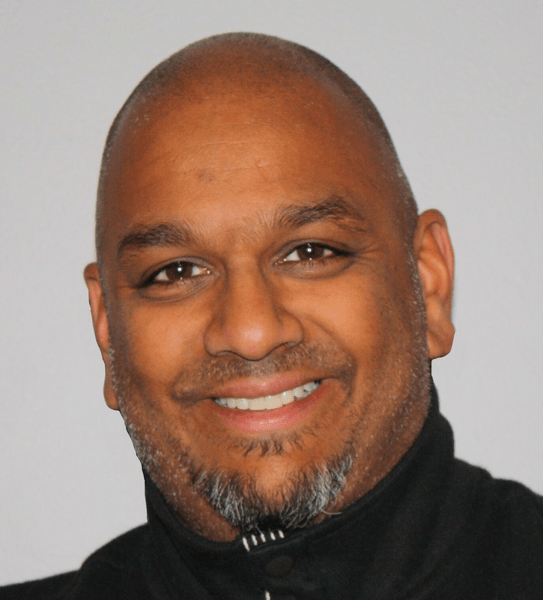
Leeno Karumanchery
Content
Leeno Karumanchery is a trained sociologist with a doctorate focused in equity studies. He is chief diversity officer at MESH/diversity and is recognized as one of North America’s diversity and inclusion experts.
Leeno Karumanchery is a trained sociologist with a doctorate focused in equity studies. He is chief diversity officer at MESH/diversity and is recognized as one of North America’s diversity and inclusion experts.
Content
Content
He notes that for unconscious bias training to take hold, individuals need to practice new ways of thinking and behavior. What’s more, diversity needs to be integrated into the organization, or people will never move from point A to point B. The idea that awareness of biases alone is enough to enact real change is a major failing for any type of diversity training.
He notes that for unconscious bias training to take hold, individuals need to practice new ways of thinking and behavior. What’s more, diversity needs to be integrated into the organization, or people will never move from point A to point B. The idea that awareness of biases alone is enough to enact real change is a major failing for any type of diversity training.
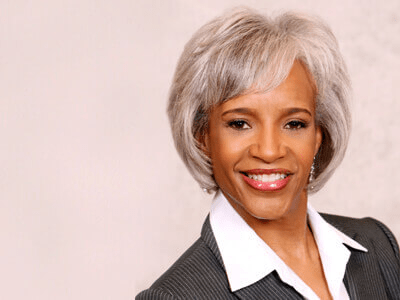
Charlotte Hughes
Content
Charlotte Hughes is a senior manager of talent development at ChenMed. She provides company-wide internal consulting and program design. She also has achieved Certified Diversity Professional status by the National Diversity Council.
Charlotte Hughes is a senior manager of talent development at ChenMed. She provides company-wide internal consulting and program design. She also has achieved Certified Diversity Professional status by the National Diversity Council.
Content
Content
She reminds unconscious bias training designers and facilitators to be introspective and reflective about their own implicit biases. Because this training relies heavily on situational scenarios, talent development professionals must be critically aware of any ways they are unintentionally reinforcing stereotypes.
She reminds unconscious bias training designers and facilitators to be introspective and reflective about their own implicit biases. Because this training relies heavily on situational scenarios, talent development professionals must be critically aware of any ways they are unintentionally reinforcing stereotypes.
Content
Read more from CTDO magazine : Essential talent development content for C-suite leaders.
Read more from CTDO magazine: Essential talent development content for C-suite leaders.